
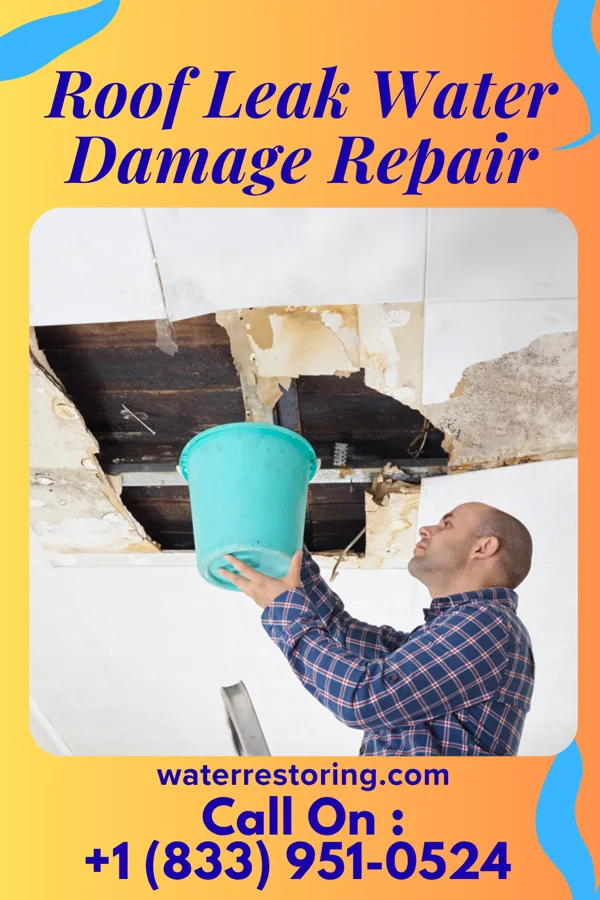
Cedar Point Storm Roof Leak Drivers
Water damage in Cedar Point tends to cluster in predictable windows because of the local climate. Cedar Point experiences frequent summer thunderstorms and tropical storms that can lead to heavy rainfall and strong winds, increasing the risk of roof leaks and water damage. The area is also prone to occasional coastal storms that bring high winds and heavy precipitation, particularly during the late spring and early fall months. A close second is The region's proximity to the Atlantic Ocean means that Cedar Point is susceptible to saltwater spray and humidity, which can accelerate roof deterioration and contribute to mold growth. Additionally, the area experiences a humid subtropical climate, leading to prolonged periods of dampness that can weaken roofing materials over time..
The combination of frequent storms, high humidity, and coastal exposure in Cedar Point leads to accelerated roof wear and increased risk of water intrusion. This climate also contributes to the growth of mold and mildew, which can further compromise the structural integrity of buildings.
The combination of frequent storms, high humidity, and coastal exposure in Cedar Point leads to accelerated roof wear and increased risk of water intrusion. This climate also contributes to the growth of mold and mildew, which can further compromise the structural integrity of buildings. The dominant local driver is Cedar Point experiences frequent summer thunderstorms and tropical storms that can lead to heavy rainfall and strong winds, increasing the risk of roof leaks and water damage. The area is also prone to occasional coastal storms that bring high winds and heavy precipitation, particularly during the late spring and early fall months., with The region's proximity to the Atlantic Ocean means that Cedar Point is susceptible to saltwater spray and humidity, which can accelerate roof deterioration and contribute to mold growth. Additionally, the area experiences a humid subtropical climate, leading to prolonged periods of dampness that can weaken roofing materials over time. showing up as the next most common cause. Damage builds in stages. Spread. Absorption. Microbial growth. Structural compromise. Every stage you pass through adds to the final bill.